

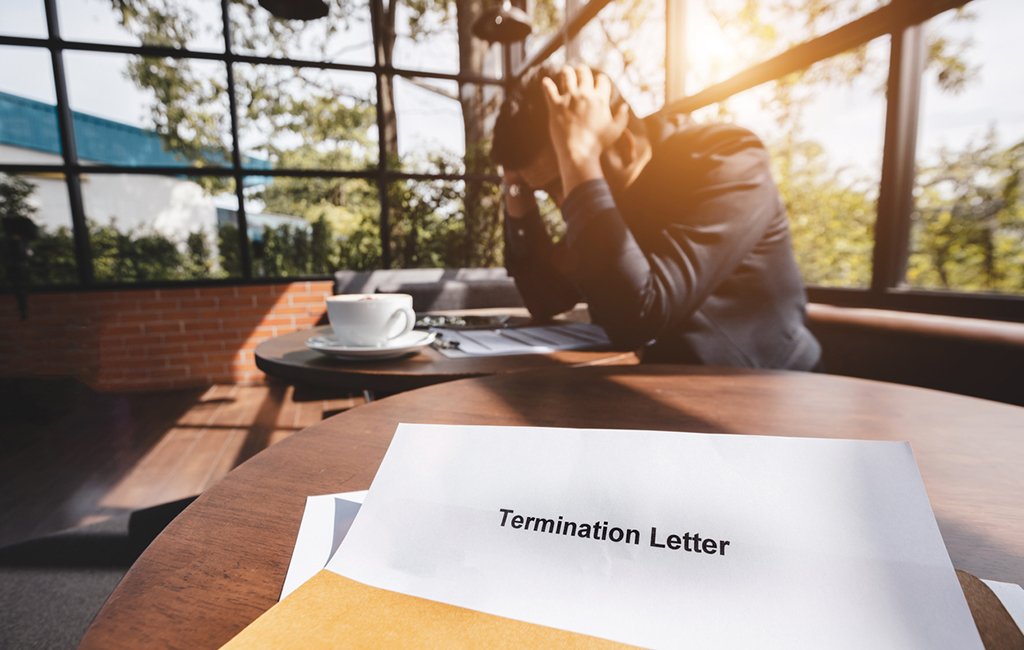
Layoffs have become an increasingly common reality for American workers, with employers announcing 1.1 million job cuts through November 2025—a threshold breached only six times since 1993, according to data from Challenger, Gray & Christmas as reported in Fortune. The rise of “forever layoffs,” where companies conduct frequent, rolling reductions affecting fewer than 50 workers at a time, has created chronic job insecurity across industries. While New York follows at-will employment doctrine, important legal protections prevent layoffs from crossing into wrongful termination. Employers cannot fire workers for illegal reasons such as discrimination, retaliation for exercising legal rights, or in violation of employment contracts or public policy.
This article examines when employees may have legal recourse for wrongful termination during mass reductions, explains exceptions to at-will employment, outlines special protections under WARN Acts, discusses filing procedures and available remedies, and provides resources for taking immediate action.
Understanding At-Will Employment in New York
New York follows at-will employment doctrine, meaning employers can terminate employees at any time for any reason or no reason at all, without prior notice. This gives employers broad authority during economic downturns or restructuring. However, critical limitations exist: employers cannot terminate employees for illegal reasons, even in an at-will employment state. While your employer can fire you for a bad reason or no reason, it cannot fire you for reasons that violate anti-discrimination laws, constitute retaliation, breach employment contracts, or violate public policy.
Important exceptions exist for certain workers: employees with collective bargaining agreements typically have “just cause” provisions; public sector employees have enhanced civil service protections; employees with written contracts may have negotiated job security terms; and fast-food workers in NYC have special protections preventing termination without just cause.
Illegal Reasons for Termination: When a Layoff Becomes Wrongful
Discrimination Based on Protected Characteristics
New York law prohibits selecting employees for layoff based on protected characteristics including race, color, religion, sex, sexual orientation, gender identity, national origin, age, disability, genetic information, marital status, or military status. If you were chosen for layoff because of any protected characteristic, the termination is unlawful regardless of legitimate workforce reductions affecting others.
Ask whether the layoff disproportionately affected employees sharing your protected characteristics. If you noticed the layoff primarily targeted employees over 40 while younger workers with similar positions were retained, you may have an age discrimination claim. Timing, supervisor comments, and statistical disparities can provide evidence of discrimination.
Retaliation for Exercising Legal Rights
Employers cannot fire employees for engaging in legally protected activities. Protected activities include complaining about labor law violations, reporting workplace safety issues, filing harassment complaints, requesting disability accommodations, filing for workers’ compensation, taking FMLA leave, serving jury duty, requesting earned sick leave, or joining or supporting a union.
Consider whether timing suggests retaliatory motive. If you filed a workers’ compensation claim and were suddenly included in a layoff shortly thereafter while similar colleagues were retained, the temporal proximity may indicate retaliation.
Whistleblower Protections
New York Labor Law Section 740 protects whistleblowers who report illegal activity or dangers to public health and safety. However, important procedural requirements apply: you must generally give your employer reasonable opportunity to correct the unlawful practice before reporting to a public agency. Consult an attorney to determine whether your situation qualifies.
Breach of Employment Contract
If you have a written employment contract, oral agreement, or collective bargaining agreement specifying termination procedures, a layoff violating those terms may constitute wrongful termination. Review any employment agreements you signed. Union contract violations must typically be pursued through the grievance procedure with very short deadlines-contact your union representative immediately.
Violation of Public Policy
New York law prohibits terminating employees for reasons violating fundamental public policy, including firing someone for serving on a jury, refusing to engage in illegal activities, or voting in an election.
WARN Act: Special Protections for Mass Layoffs
The federal WARN Act requires businesses with 100+ employees to provide 60 days’ written notice before mass layoffs affecting at least 50 employees at a single site. New York State’s WARN Act provides broader coverage: businesses with 50+ employees must provide 90 days’ notice before mass layoffs affecting 25+ employees.
If your employer violated the WARN Act, you may recover back pay for each day of violation (up to 60 days federally or 90 days under New York law) plus the value of medical expenses and benefits you would have received. These remedies are available as statutory right when required notice wasn’t provided.
WARN Act claims are often straightforward because they depend on objective factors: workforce size, number of affected employees, and whether proper notice was provided. If you believe your employer violated the WARN Act, consult an employment attorney promptly.
How to Pursue a Wrongful Termination Case
Understanding Statute of Limitations: Why Time Matters
The statute of limitations is the most critical procedural requirement-once this deadline passes, you permanently lose your right to compensation. Different claims have dramatically different deadlines ranging from 30 days to 3 years. Many claims require filing an administrative charge with a government agency before pursuing a lawsuit.
Consult an attorney immediately. Different claim types have different deadlines: union grievances may require filing within days, while discrimination charges often require filing within 180-300 days.
Where to File: Government Agencies
- Equal Employment Opportunity Commission (EEOC)
- New York State Division of Human Rights
- New York City Commission on Human Rights
- New York State Department of Labor
- National Labor Relations Board
- Workers’ Compensation Board
- U.S. Department of Labor
Gathering Evidence
Strong evidence is essential. Begin collecting immediately:
- Employment contracts and termination letters
- Company communications (emails, texts, memos)
- Performance reviews showing satisfactory work
- Company policies and handbooks
- Documentation of discriminatory or retaliatory motives
- Records of conversations and HR complaints
- Witness contact information
New York law requires employers to provide written termination notice within 5 days listing termination date and benefit cancellation date. Download relevant emails before losing system access. Document conversations while details are fresh.
Special Considerations for Union Employees
Union employees must follow grievance procedures in their collective bargaining agreement before pursuing other remedies. These contracts typically have short, strict deadlines-often days or weeks. Contact your union representative immediately. If your union refuses to help, document all communications in writing via email and certified mail.
Available Remedies and Settlement Considerations
Legal Remedies and Damages
Successful wrongful termination cases can recover:
- Lost wages and benefits: Back pay and potentially future lost earnings
- Reinstatement: Where appropriate and desired
- Emotional distress damages: Compensation for psychological harm
- Punitive damages: In cases of intentional or extreme misconduct
- Attorneys’ fees and court costs: Often paid by employer when employee prevails
Settlement Considerations
Many companies settle out of court to avoid expense, uncertainty, and publicity. Settlement amounts are often calculated as a multiplier of salary, with factors including evidence strength and misconduct severity. Even without a technical wrongful termination case, you may negotiate severance with legal representation. Attorneys can help maximize packages and address restrictive clauses like non-competes, non-disparagement, and confidentiality provisions.
Take Action: Protect Your Rights
Immediate Steps
- Contact an employment attorney
- Gather documentation: Termination letters, contracts, performance reviews, emails, and other evidence
- Document conversations: Write down important conversations and discriminatory comments while memory is clear
- File before deadlines: Work with your attorney to file with appropriate agencies
Why Professional Legal Assistance Is Critical
Employment attorneys understand wrongful termination law nuances, identify all viable claims, ensure proper filing within deadlines, gather evidence effectively, negotiate to maximize settlements, and represent you in proceedings. The procedural requirements and filing deadlines are complex and unforgiving. Mistakes can permanently destroy valid claims.
With 1.1 million workers affected by 2025 layoffs, you’re not alone. While “forever layoffs” create chronic anxiety, legal protections prevent employers from disguising illegal terminations within workforce reductions. If your layoff was motivated by discrimination, retaliation, or violated the WARN Act or other protections, you have the right to pursue legal action. Don’t let fear or time prevent you from protecting your rights.
If you believe your termination may have been wrongful, or if you need guidance understanding your rights under New York’s employment laws, our firm provides experienced representation to employees facing wrongful termination.
Please subscribe to this blog to receive email alerts when new posts go up.
DISCLAIMER: This blog post is for informational purposes only and does not constitute legal advice. The information provided is general in nature and may not apply to your specific situation. Wrongful termination cases are highly fact-specific, and the laws governing such cases can be complex and subject to change. Nothing in this article creates an attorney-client relationship, and you should not rely on this information as a substitute for professional legal counsel. If you believe you have experienced wrongful termination, are facing a layoff, or have questions about your employment rights, you should consult with a qualified employment attorney who can evaluate the specific facts of your case and provide personalized legal advice based on current law and your individual circumstances. Statute of limitations deadlines can be extremely short so prompt consultation with an attorney is critical to preserving your rights.